
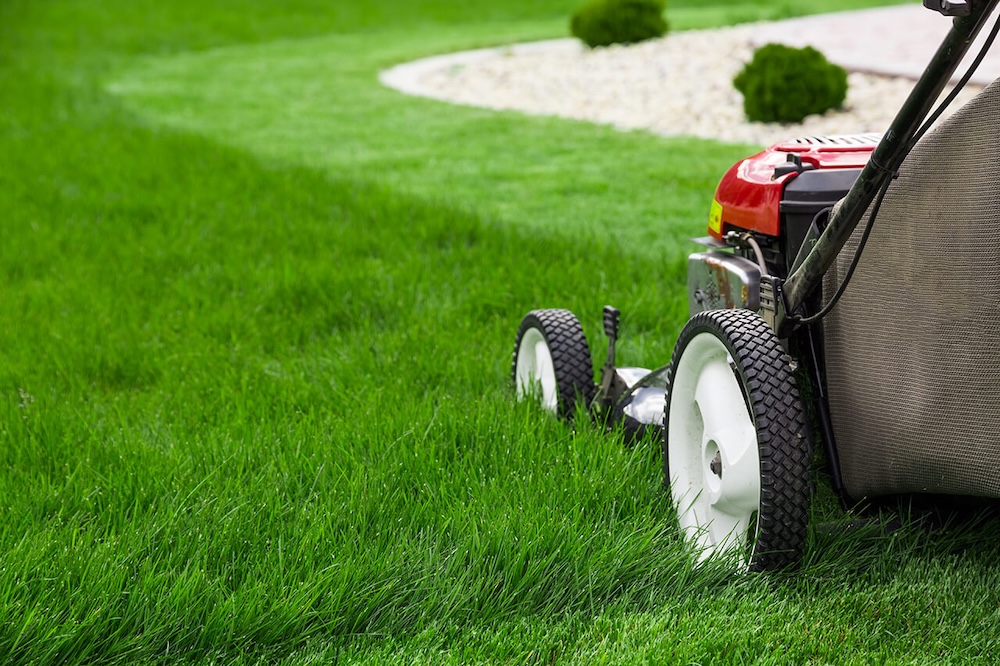
A well-maintained lawn doesn’t have to be complicated. Lawn care comes down to a handful of consistent habits practiced at the right time and in the right way. Mowing is at the center of it all, but watering, fertilizing, and seasonal attention round out a complete approach that keeps your grass looking its best from the first warm days of spring through the final cut of fall. Whether you’re a first-time homeowner or simply looking to level up your yard game, these practical tips make a noticeable difference.
The Foundation of Good Lawn Care
Mowing is the most frequent lawn care task most homeowners perform, and it’s also the one where mistakes compound most quickly. Cutting grass too short is one of the most common errors, leaving the lawn vulnerable to heat, drought, and weed pressure. Most cool-season grasses like fescue and bluegrass perform best when kept between three and four inches, while warm-season varieties like Bermuda and zoysia tolerate a lower cut. The one-third rule is the most important mowing principle to remember, never remove more than one third of the grass blade in a single pass. Cutting more than that at once stresses the root system and slows recovery significantly.
Keep Your Mower in Good Working Order
A well-maintained mower makes a bigger difference than most homeowners realize. Dull blades tear grass rather than cutting it cleanly, leaving ragged brown edges that are both unsightly and create entry points for disease. Sharpening mower blades at least once per season keeps cuts clean and the lawn looking its best. Checking oil levels, cleaning the underside of the deck to prevent clipping buildup, and ensuring the air filter is clean are all simple maintenance tasks that extend the life of the mower and improve cutting performance throughout the season.
Lawn Care Watering Habits That Make a Real Difference
How and when you water has as much impact on lawn health as how you mow. Frequent, shallow watering produces shallow root systems that are vulnerable to heat and drought, exactly the conditions that stress lawns most during summer. Deep, infrequent watering that delivers approximately one inch of water per week encourages roots to grow deeper into cooler, more moisture-retentive soil layers, building the kind of resilience that carries a lawn through dry stretches without daily intervention. Watering in the early morning minimizes evaporation and reduces the fungal disease risk that comes with grass staying wet overnight, a simple scheduling adjustment that pays consistent dividends.
Feed Your Lawn at the Right Time of Year
Fertilizing at the wrong time is almost as counterproductive as not fertilizing at all. Cool-season grasses benefit most from fertilization in early fall when temperatures moderate and the lawn enters its most active recovery and growth phase. Warm-season grasses are best fed in late spring and early summer when growth is most vigorous. Choosing a slow-release fertilizer provides steady, gentle nutrition over an extended period rather than a flush of growth that the lawn can’t sustain. Always follow application rates carefully; over-fertilizing burns turf and creates excessive growth that weakens rather than strengthens the lawn over time.
Seasonal Lawn Care Tips Worth Following
Each season places different demands on your lawn and calls for a slightly different approach. Spring is the time for a first feed, addressing any winter damage, and getting the mowing routine established before growth accelerates. Summer calls for raising the mowing height, reducing fertilization, and watering deeply during dry stretches. Fall is the most important season for cool-season lawns, the time for core aeration, overseeding thin areas, and a final fertilization that sets the lawn up for a strong start the following spring. In winter, keeping foot traffic off dormant grass and clearing debris that can smother the turf beneath it are the primary maintenance considerations. Following the rhythm of the seasons rather than applying a one-size-fits-all approach to lawn care throughout the year delivers consistently better results.
Frequently Asked Questions (FAQs)
How often should I mow my lawn?
During peak growing season, most lawns benefit from being mowed once a week.
What is the best time of day to mow?
Mid-morning, after dew has dried but before afternoon heat peaks, is generally the best window for mowing. Cutting wet grass produces an uneven result and clippings clump under the deck, while mowing during peak afternoon heat exposes freshly cut grass to maximum stress at its most vulnerable. Early evening is also a reasonable option during hot weather, giving the lawn several cooler hours to recover before the next day’s heat.
Should I leave grass clippings on the lawn?
For most routine mowing sessions, yes, leaving clippings on the lawn returns valuable nitrogen and organic matter to the soil, reducing the need for supplemental fertilizer. This practice, known as grasscycling, works best when mowing is done regularly so clippings are short enough to break down quickly. Bag clippings when they are heavy or clumping due to longer growth between cuts, or when wet.
How do I get rid of weeds in my lawn?
A thick, healthy lawn is the most effective long-term defense against weeds; dense turf leaves little room for weed seeds to establish. Maintaining proper mowing height, watering deeply, fertilizing at the right time, and overseeding thin areas all contribute to a lawn that naturally resists weed pressure. For existing weeds, spot treatment with an appropriate herbicide is more targeted and less disruptive than broadcast applications across the entire lawn.
When should I aerate my lawn?
Aeration is best done during the lawn’s peak growing season when it can recover quickly. Early fall for cool-season grasses and late spring for warm-season varieties.
GoPro Home Inspections offers inspection services to homebuyers and sellers. Contact us to schedule an appointment.