
Why a Sewer Scope Inspection Is a Must for Smart Homeowners
Buying a home is exciting. Maintaining one is a responsibility. In both cases, a sewer scope inspection can be one of the smartest decisions made to protect that investment. While buyers often focus on roofs, foundations, and HVAC systems, the sewer line is typically out of sight and out of mind—until something goes wrong.
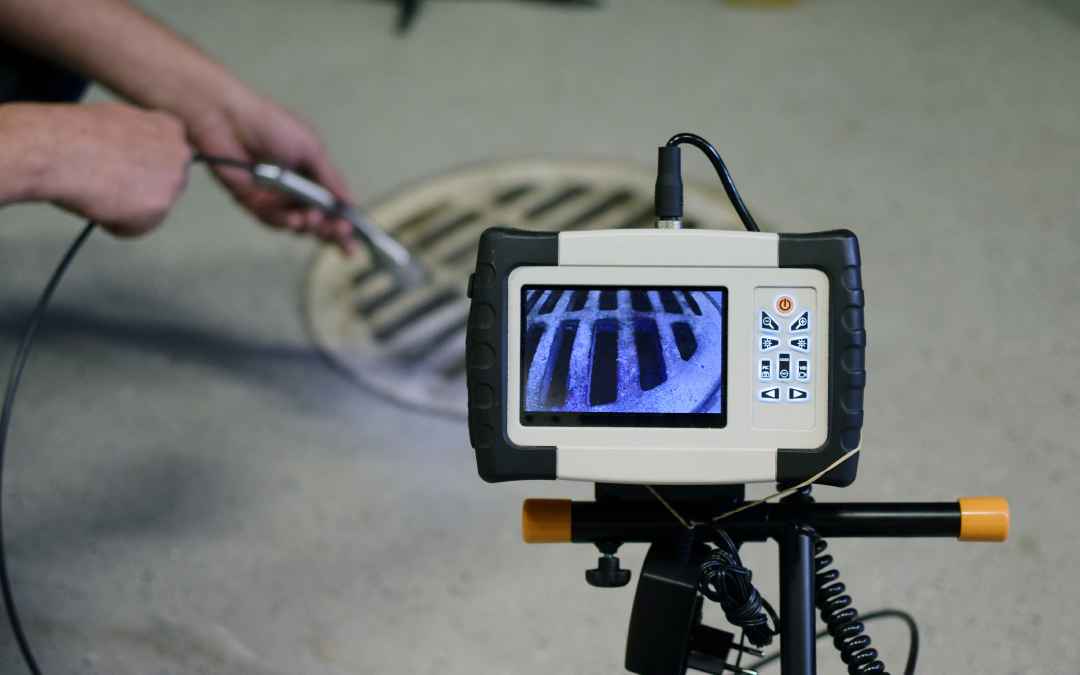
A sewer scope inspection uses a specialized waterproof camera that is inserted into the home’s main sewer line. The camera travels through the pipe, transmitting a live video feed that allows professionals to evaluate the condition of the line. This process reveals blockages, cracks, root intrusion, corrosion, bellied pipes, and even collapsed sections.
For homebuyers, this inspection offers peace of mind before closing. For current homeowners, it provides clarity when dealing with slow drains, recurring backups, or simply aging plumbing systems. Sewer repairs can cost thousands of dollars, and in severe cases, excavation of the yard or driveway may be required. Identifying issues early can prevent financial surprises later.
What Happens During a Sewer Scope Inspection?
A sewer scope inspection is straightforward, non-invasive, and typically completed within an hour. A licensed inspector locates an accessible cleanout or removes a toilet to access the sewer line. The high-resolution camera is then fed into the pipe, recording its condition from the house all the way to the municipal connection or septic tank.
The inspector observes the pipe material, checks for standing water, identifies cracks or separations in joints, and looks for tree roots that may have penetrated the line. Older homes with clay, cast iron, or Orangeburg piping are especially prone to deterioration. Even newer homes can have issues caused by improper installation or shifting soil.
After the inspection, the homeowner receives a video recording and a detailed explanation of any findings. This documentation can be valuable for negotiating repairs during a home purchase or planning future maintenance.
When Should You Schedule a Sewer Scope Inspection?
For homebuyers, a sewer scope inspection should be scheduled during the inspection contingency period. It is not always included in a general home inspection, so it must often be requested separately. Skipping it may save a few hundred dollars upfront but could risk thousands in unexpected repairs later.
Homeowners should consider an inspection if drains are slow, gurgling sounds are coming from toilets, sewage odors are present, or backups have occurred. Even without symptoms, homes over 20 years old can benefit from a proactive evaluation. Tree-lined properties are particularly susceptible to root intrusion, which is a common cause of sewer line damage.
Proactive inspections are not just about solving problems, they are about preventing them. Catching minor cracks or root growth early can allow for less invasive and less expensive solutions.
How Much Does It Cost?
The cost of a sewer scope inspection typically ranges from $250 to $500, depending on location and accessibility. Compared to the average sewer line replacement cost, which can range from $3,000 to $10,000 or more, the inspection fee is a modest investment.
For buyers, this relatively small expense can provide negotiating power. If significant damage is discovered, repairs can be requested before closing or factored into the purchase price. For homeowners, early detection may mean the difference between a simple cleaning and a full replacement.
What Problems Can a Sewer Scope Inspection Reveal?
An inspection can uncover a variety of issues that are invisible from inside the home. Tree root intrusion is one of the most common findings. Roots naturally seek moisture and can enter pipes through small cracks or joints, eventually causing blockages.
Pipe corrosion and deterioration are also common, particularly in older cast iron systems. Over time, corrosion can reduce pipe diameter and lead to leaks or collapses. Shifting soil can create a “belly” in the line, where a section of pipe sinks and collects waste and water. This standing water increases the likelihood of backups.
Occasionally, inspectors find construction debris or foreign objects lodged in the pipe. In new construction homes, leftover materials can obstruct proper flow. These findings highlight why these inspections are valuable even in properties that appear problem-free.
Is It Worth It for New Homes?
It may seem unnecessary to perform a sewer scope inspection on a newly built home, but issues can still occur. Improper installation, heavy machinery driving over pipes during construction, or debris left in the line can cause future problems.
Municipal connections can also present challenges beyond the property line. A camera inspection confirms that the entire accessible line is properly installed and functioning as intended. For buyers investing in new construction, verifying every system—including the sewer—adds an extra layer of confidence.
Sewer Scope Inspection FAQs
What is a sewer scope inspection?
A sewer scope inspection is a camera-based evaluation of a home’s main sewer line. A waterproof camera is inserted into the pipe to assess its condition and identify blockages, cracks, roots, or other damage.
Is a sewer scope inspection included in a general home inspection?
Typically, it is not included in a standard home inspection. It is usually an additional service that must be requested separately.
How long does a sewer scope inspection take?
Most inspections take between 30 minutes and one hour, depending on the length and accessibility of the sewer line.
Can a sewer scope inspection damage pipes?
No. The camera equipment is specifically designed for use in plumbing systems and does not harm the pipes.
How often should homeowners schedule a sewer scope inspection?
If no issues are present, every few years may be sufficient for older homes. Homes with mature trees nearby or previous sewer problems may benefit from more frequent inspections.
What happens if a problem is found?
If issues are identified, the inspector will explain the severity and recommend next steps. Solutions may range from hydro jetting to remove roots, to trenchless repairs, to full sewer line replacement in severe cases.
A sewer scope inspection is a small investment that can protect one of the most critical systems in a home. Whether purchasing a new property or maintaining a current one, understanding the condition of the sewer line helps avoid costly surprises and ensures long-term peace of mind.
GoPro Home Inspections offers inspection services to homebuyers and sellers. Contact us to schedule an appointment.