
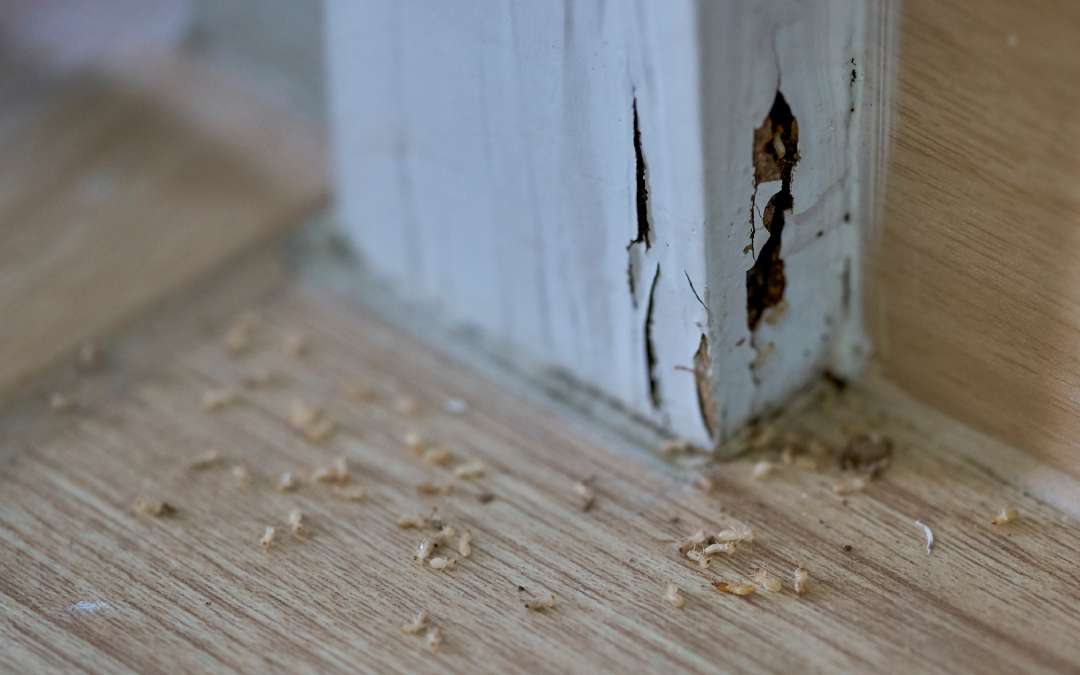
Signs of pests in a home often go unnoticed until the problem becomes difficult and expensive to manage. Many pests are experts at staying hidden, making early detection crucial to protecting your property. Whether it’s insects, rodents, or other unwelcome intruders, recognizing the signs of pests early will help homeowners take action before damage spreads. By understanding what to look for and where to check, it becomes much easier to maintain a clean, safe, and pest-free living environment.
Why Recognizing Signs of Pests Early Matters
Pests cause more than just inconvenience. They can damage property, contaminate food, and even pose health risks. The earlier the signs of pests are identified, the easier it is to control the situation. Ignoring small clues often leads to larger infestations that require more time, effort, and money to resolve. Early detection also helps preserve the structural integrity of a home. Some pests, such as termites and rodents, could cause significant damage to wood, wiring, and insulation. Being proactive allows homeowners to address issues before they escalate into major repairs.
Common Signs of Pests Homeowners Should Watch For
One of the most noticeable signs of pests is the presence of droppings. Rodents, insects, and other pests leave behind waste that can often be found in cabinets, along baseboards, or in hidden corners. These droppings are usually one of the first indicators that something is wrong. Unusual noises are another clue. Scratching, scurrying, or gnawing sounds inside walls or ceilings often point to rodents or other small animals. These sounds are typically more noticeable at night when the house is quiet. Another key sign includes visible damage to materials. Chewed wires, gnawed furniture, or damaged food packaging are all strong indicators of pest activity. In some cases, homeowners may also notice grease marks or tracks along walls where pests frequently travel.
Hidden Signs of Pests Behind Walls and Floors
Not all signs of pests are immediately visible. Some of the most serious infestations occur behind walls, under floors, or in attics. Hollow-sounding wood, bubbling paint, or small holes in drywall can suggest hidden activity. Increased humidity or unusual odors may signal a problem. Certain pests create damp conditions or leave behind distinct smells that linger in enclosed spaces. Paying attention to these subtle changes can help uncover issues that might otherwise remain hidden.
Signs of Pests in Kitchens and Food Storage Areas
Kitchens are one of the most common areas where signs of pests appear because they provide easy access to food and water. Opened or torn food packaging is a clear indication of pest activity. Small bite marks or scattered crumbs around storage areas should not be ignored. Sticky residues, unusual smells, or the presence of insects near sinks and drains can also point to an infestation. Keeping kitchen areas clean and regularly inspecting storage spaces helps reduce the likelihood of pests settling in.
Outdoor Clues That Indicate Indoor Pest Problems
The exterior of a home often provides early warning signs that may eventually move indoors. Cracks in the foundation, gaps around doors and windows, and damaged vents can serve as entry points. Nests, burrows, or insect trails near the home’s perimeter are also important indicators. Overgrown vegetation and standing water can attract pests and increase the risk of them entering the home. Addressing these outdoor issues can prevent indoor infestations before they start.
What to Do When You Notice Signs
Taking action quickly is essential when signs of pests are detected. The first step is identifying the type of pest involved, as different pests require different solutions. Cleaning affected areas and removing potential food sources can help limit their activity. Sealing entry points and repairing damage reduces the chances of pests returning. In more severe cases, professional pest control services may be necessary to fully eliminate the problem.
Preventing Future Infestations in the Home
Prevention is always more effective than dealing with an established infestation. Maintaining cleanliness, properly storing food, and managing waste are simple but powerful steps. Regularly checking for leaks and ensuring proper ventilation could also reduce conditions that attract pests. Routine inspections of both the interior and exterior of the home help catch early warning signs before they become serious issues. By staying consistent with these practices, homeowners can significantly reduce the likelihood of encountering pests.
Signs of pests should never be ignored, no matter how minor they may seem. Early detection and prompt action can prevent small issues from turning into major problems that affect both the safety and value of a home. By staying aware of common indicators, maintaining a clean environment, and addressing vulnerabilities, homeowners can protect their living spaces from unwanted intruders. A proactive approach ensures a healthier, more comfortable home for everyone.
Frequently Asked Questions (FAQs)
What are the most common signs of pests in a home?
Common signs of pests include droppings, unusual noises, visible damage to materials, and unpleasant odors. These indicators often point to hidden infestations that require attention.
How can I tell if pests are inside my walls?
Scratching or scurrying sounds, hollow-sounding walls, and small holes or cracks may suggest pest activity inside walls.
Are signs of pests always visible?
Not always. Some signs are subtle, such as odors or minor structural changes. Regular inspections help identify these less obvious indicators.
When should I call a professional for pest control?
If the infestation is widespread, persistent, or difficult to identify, it is best to contact a professional.
How can I prevent pests from returning?
Preventing pests involves maintaining cleanliness, sealing entry points, fixing leaks, and conducting regular inspections. Consistent upkeep is key to long-term protection.
GoPro Home Inspections offers inspection services to homebuyers and sellers. Contact us to schedule an appointment.