
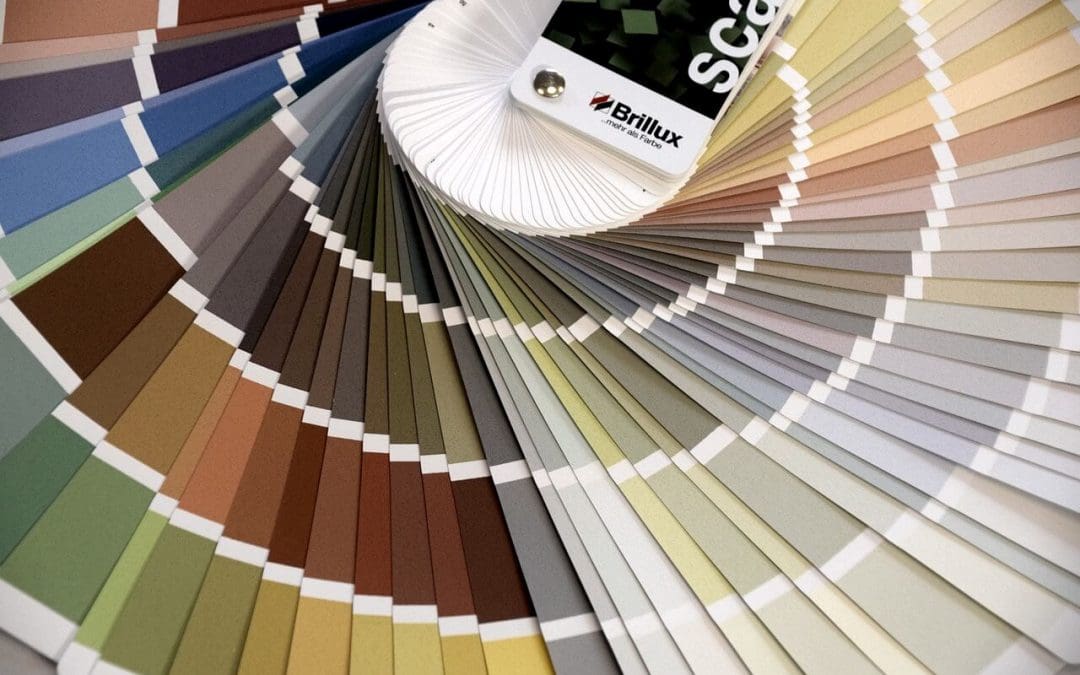
Choosing paint color for your home can be both exciting and overwhelming, with thousands of shades to consider and endless design inspiration at your fingertips. It’s easy to get stuck trying to figure out what works best. The good news is that selecting the right palette doesn’t have to be stressful. With a little planning and some practical insight, you will confidently choose colors that enhance your home’s style, improve its atmosphere, and reflect your personal taste. Whether you’re updating a single room or refreshing your entire house, understanding how color works in a space makes the process smoother and far more enjoyable.
Understanding How Light Impacts Choosing Paint Color
Light, both natural and artificial, has a major influence on how colors appear, which is why choosing paint color requires more than simply liking a shade on a paint chip. Morning sunlight tends to bring out cool tones, while afternoon sun casts warmth that could make colors appear richer. Rooms with little natural light often benefit from softer, brighter shades that open up the space, while well-lit areas could handle darker, moodier hues without feeling closed in. Artificial lighting also plays a key role. Warm LED bulbs soften colors and create cozy vibes, whereas cooler bulbs make a room feel more modern or crisp. When choosing paint color, it’s helpful to test your options at different times of day so you see how they shift as the light changes. A color that looks perfect in the morning may feel completely different in the evening, and understanding those variations helps you make a choice you’ll love long-term.
Using Your Home’s Style as a Guide
Your home’s architectural style can offer valuable direction when choosing paint color. Traditional homes often pair beautifully with timeless neutrals, warm whites, or muted earth tones that complement classic millwork and structure. Modern or contemporary homes, on the other hand, can embrace bolder choices like deep charcoals, crisp whites, or dramatic accent colors that highlight clean lines and open spaces. The existing finishes in your home also matter. Flooring, cabinetry, countertops, and even major furniture pieces all contribute to the visual balance of a space. Choosing paint color that works harmoniously with these elements creates a cohesive flow from room to room. Before committing to a shade, hold samples next to the materials already in your home. Seeing them together helps you avoid clashing undertones and guarantees everything feels intentional and connected.
Creating Mood and Personality Through Paint Color
Every room serves a purpose, and choosing paint color that supports that purpose will make your home feel more functional and comfortable. A bedroom, for example, might benefit from calming colors like soft blues, pale greens, or gentle grays that promote relaxation. A kitchen or living room, however, may thrive with warmer shades that encourage energy and conversation. Color psychology plays a subtle yet powerful role. Yellows bring joy and warmth, blues bring peace, greens add balance, and neutrals provide versatility. If you’re unsure where to start, consider how you want to feel in the space and choose colors that evoke that emotion. Even a small shift in hue will dramatically impact how a room feels day to day.
Simple Strategies to Help You Succeed When Choosing Paint Color
If you feel overwhelmed, remember that choosing paint color doesn’t have to involve guesswork. Starting with a whole-home palette, three to five colors that work together create harmony throughout your space while still allowing variety. Many homeowners choose a neutral base color and then add deeper or brighter tones in specific rooms for personality. Testing sample paints on walls is essential. Small swatches painted directly on your walls will give you a more realistic idea of how the color behaves in your home. Take your time, observe the samples over a couple of days, and compare options. This extra step helps you make confident decisions and avoid surprises once the paint is on the wall.
Frequently Asked Questions (FAQs)
How do I know if a color will look good in my home?
Testing samples on your walls and viewing them throughout the day is the best way to see how they interact with your lighting and existing décor.
What if I like bold colors but worry they’ll feel overwhelming?
Consider using bold colors strategically, such as on an accent wall or in smaller spaces like powder rooms, to add personality without overpowering the whole room.
How many colors should I use in my home?
Many designers recommend creating a cohesive palette of a few colors that repeat throughout the home, helping rooms feel connected and intentional.
GoPro Home Inspections offers inspection services to homebuyers and sellers. Contact us to schedule an appointment.